The plant
A cactus from the Andes, sometimes spelled wachuma, with two names and a long history under both of them.
Huachuma is a cactus native to the Andean highlands. It has been more commonly referred to as San Pedro since the time the conquistadors encountered its use some five-hundred years ago.
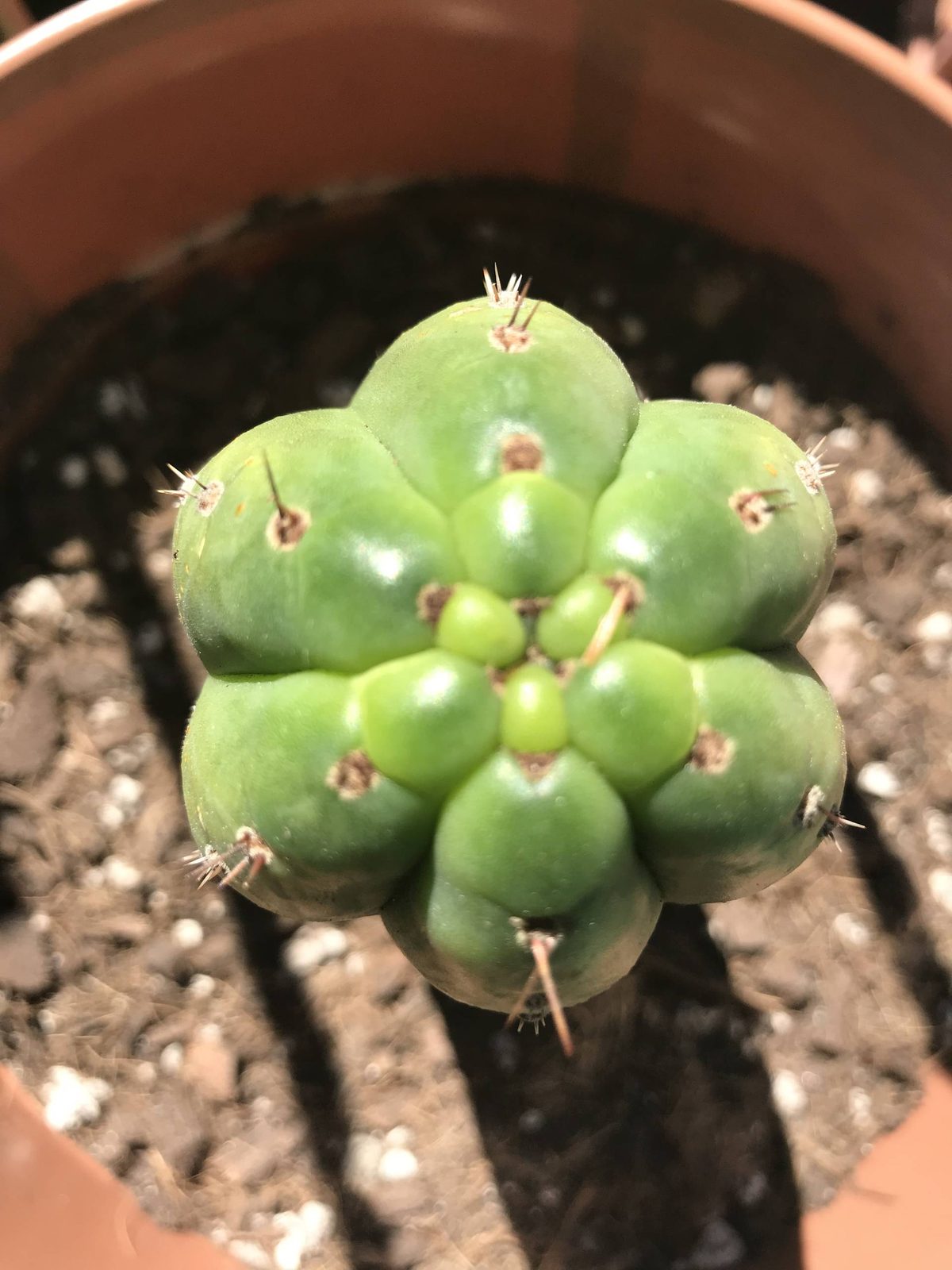
Some say that the conquistadors experienced the medicine as opening the gates of heaven, thus naming it after Saint Peter, or San Pedro in Spanish. The Huachuma cactus is not a single variety, but a number of interrelated species within the classification Trichocereus pachanoi (also called echinopsis pachanoi). The varieties range from thin nearly spineless cactus that grow in the lowland deserts to thick varieties with long spines, which grow more commonly in the Andes mountains at higher elevations. In the United States, a few strains of hybrid San Pedro have been cultivated for decades for ornamental gardening purposes. Many people are often surprised to learn that they have these plants growing in their neighborhoods.
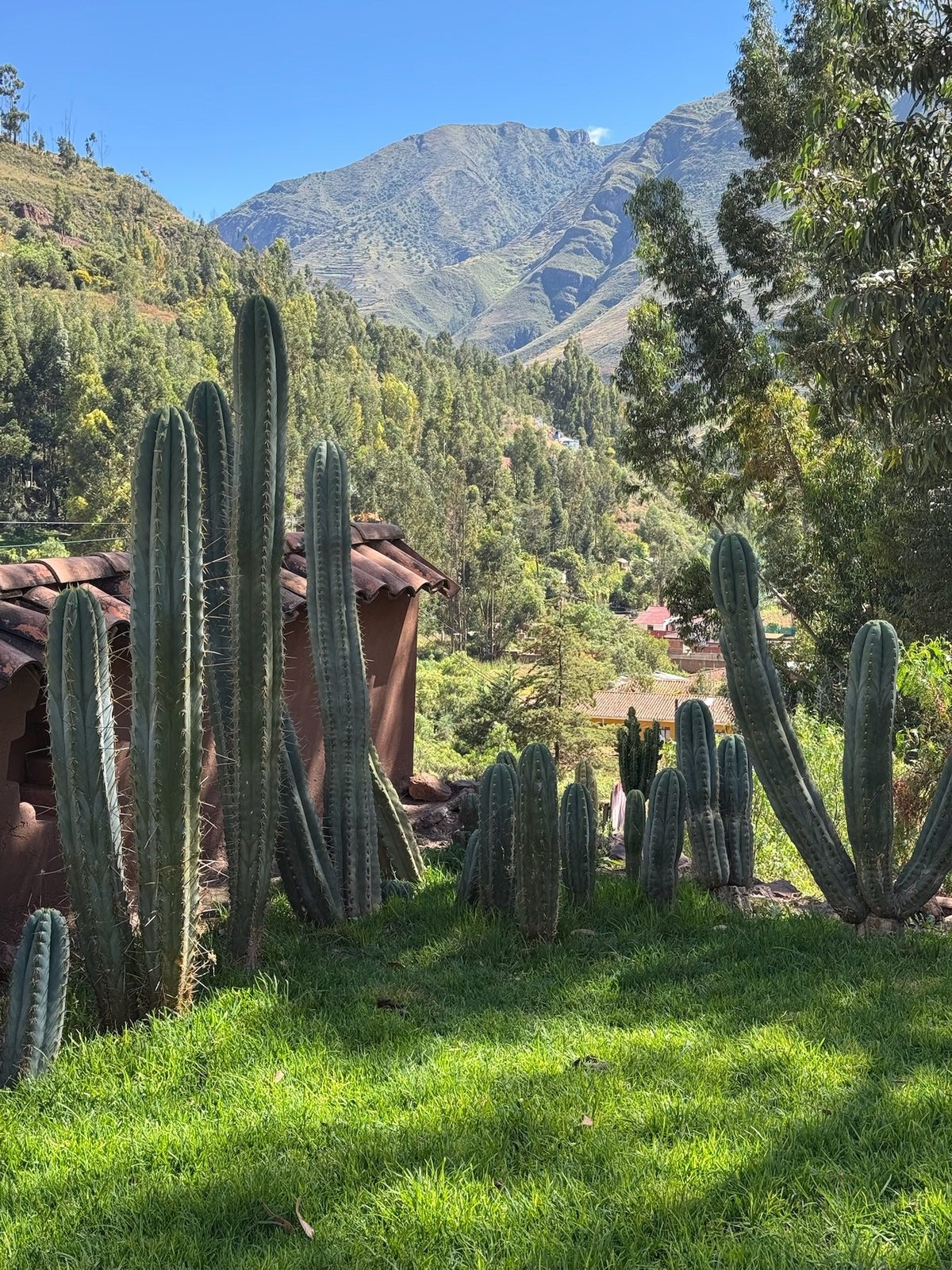
The name covers a group, of which pachanoi is the one most people meet. Beside it stand peruvianus, bridgesii and a great many crosses, some made deliberately and some not.
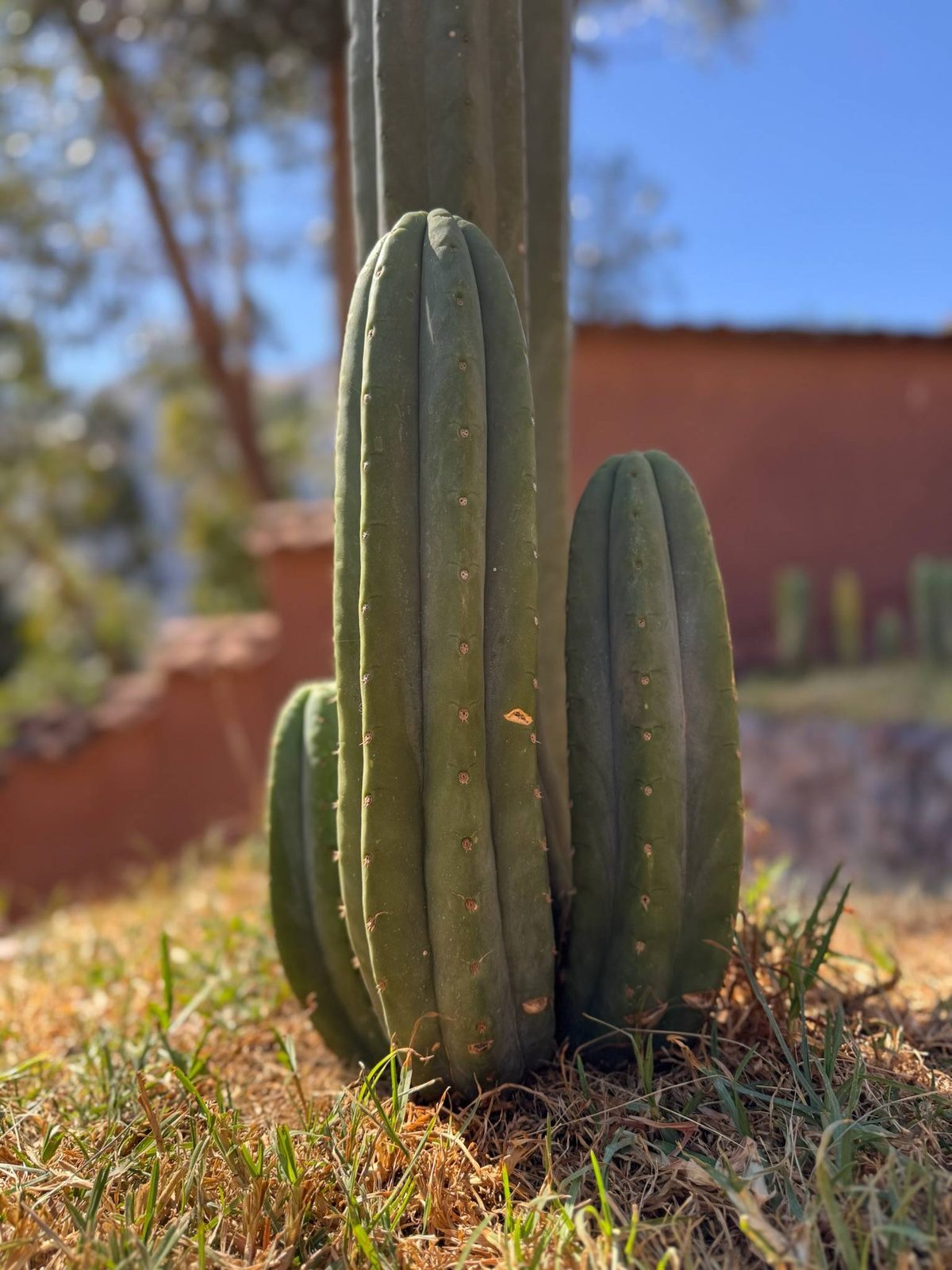
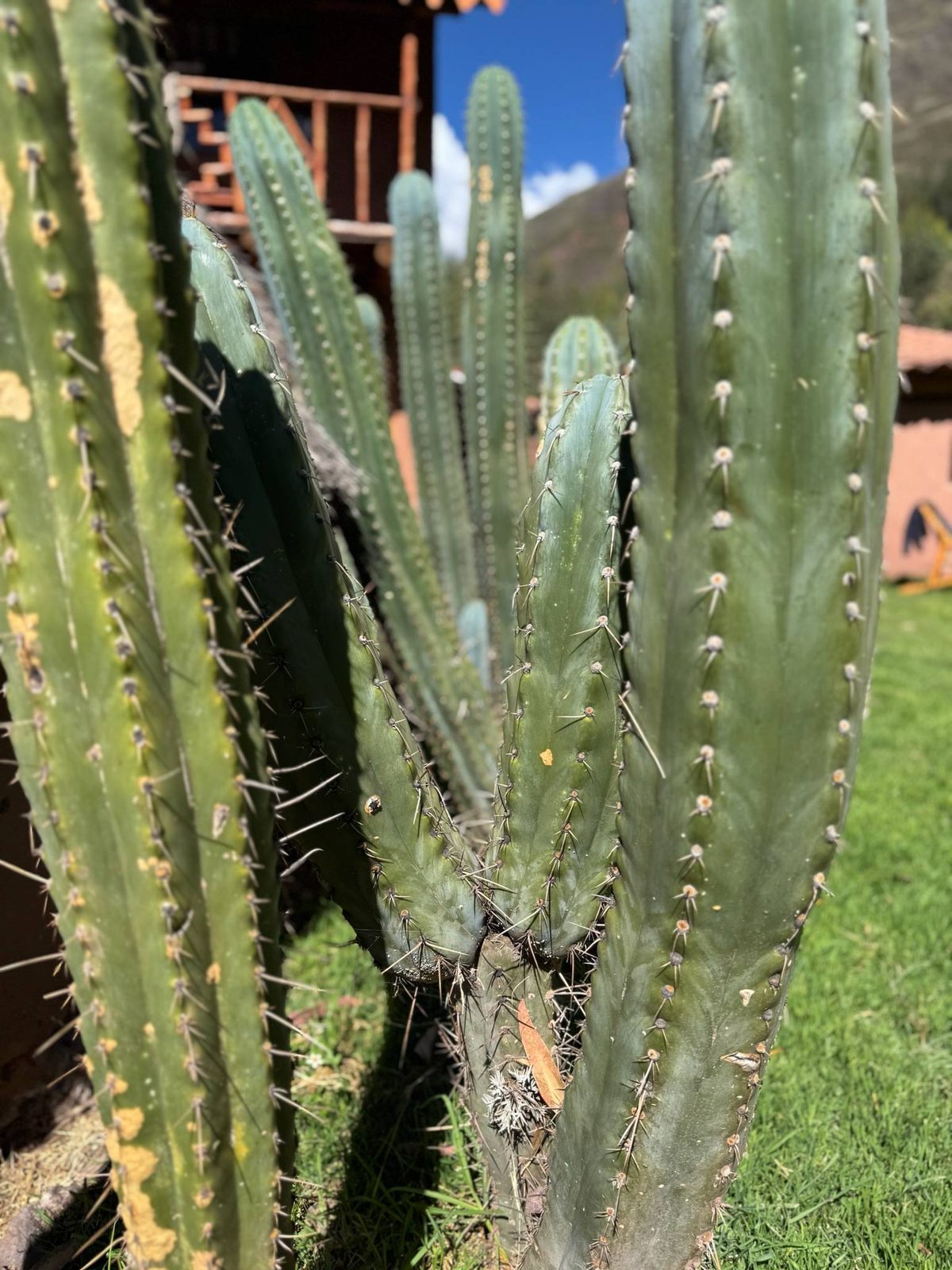
They share a shape: a tall green column, ribbed down its length, branching from the base, with pale areoles running in a line up each rib. Past that they vary widely.
Pachanoi carries six to eight ribs and a light green skin, with a shallow notch above each areole that growers use to tell it from its relatives. Others run bluer or greyer, and some carry more ribs.
The spines vary most of all: on pachanoi they are short, under an inch, yellow to brown, and on plenty of plants there are none at all. Its relatives are not so mild. Bridgesii carries long ones, and so do some peruvianus.
They grow quickly for cactus, as much as a foot in a year, branching from the base into a candelabra. Ten to twenty feet is ordinary for an old plant, and the tallest recorded stood at forty.
The flowers open after dark, white and heavily scented, as much as eight inches across on a big one, the thick base of each covered in black hairs. They last about two days. The fruit that follows is dark green, a couple of inches across, and splits open on white flesh and small seeds.
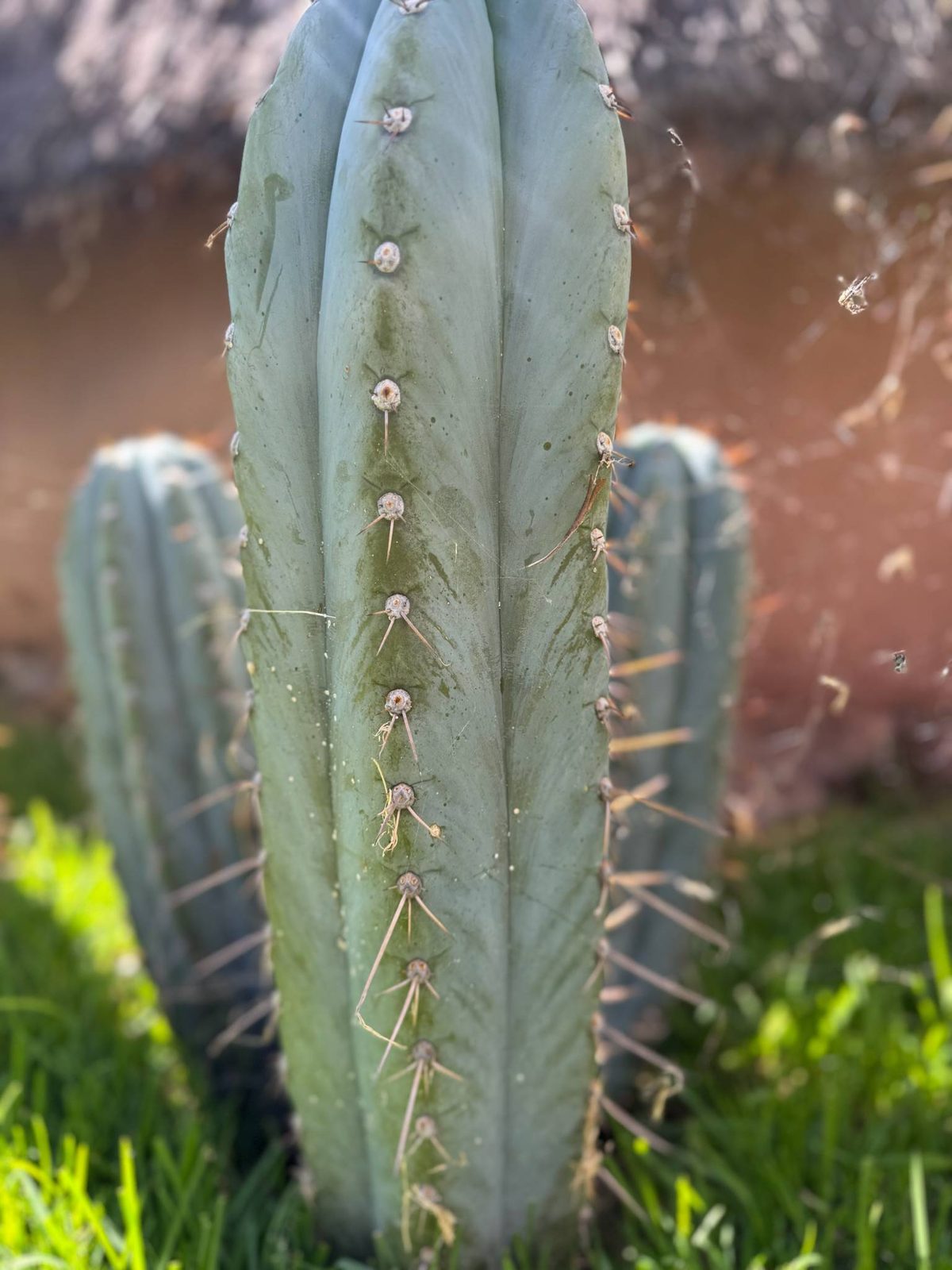
San Pedro has been sold as an ornamental in the United States for decades. It grows in front gardens and in pots on porches, anywhere the winter is mild enough. Around Phoenix and Tucson it is a common garden plant.
Most of the people who planted it did so because it is a good looking plant that survives being forgotten.